We’re in the middle of a little glow-up. Some links may not be available just yet, but we’re working behind the scenes to bring everything to life. Thank you for being here while we build something beautiful for you.



How Sustainability Became an Aesthetic
The New Look of Caring
Open Instagram, Pinterest, or TikTok, and you’ll notice something: sustainability doesn’t just exist in Gen Z culture—it looks good. Pastel-toned reusable cups, thrift-store OOTDs, cozy eco-friendly candles, plant-filled dorm corners… being sustainable has become more than a value—it’s an aesthetic.
For Gen Z, living eco-conscious isn’t just about saving the planet. It’s about aligning identity with action, expressing creativity, and designing a life that feels good inside and out. And that’s where the story of sustainability as an aesthetic really begins.
The Rise of Sustainability in Social Media
Not long ago, “eco-friendly” was associated with earthy, minimalist, and sometimes inaccessible lifestyles. Think expensive organic products or zero-waste influencers carrying jars of trash. While inspiring, it often felt unattainable for the everyday student, gamer, or creator.
But Gen Z redefined the narrative. Platforms like TikTok and Pinterest transformed sustainability into something visual, relatable, and cozy.
Eco-vibes = lifestyle content. Whether it’s “thrift haul aesthetics” or a “zero-waste morning routine,” eco-friendly actions became video-worthy rituals.
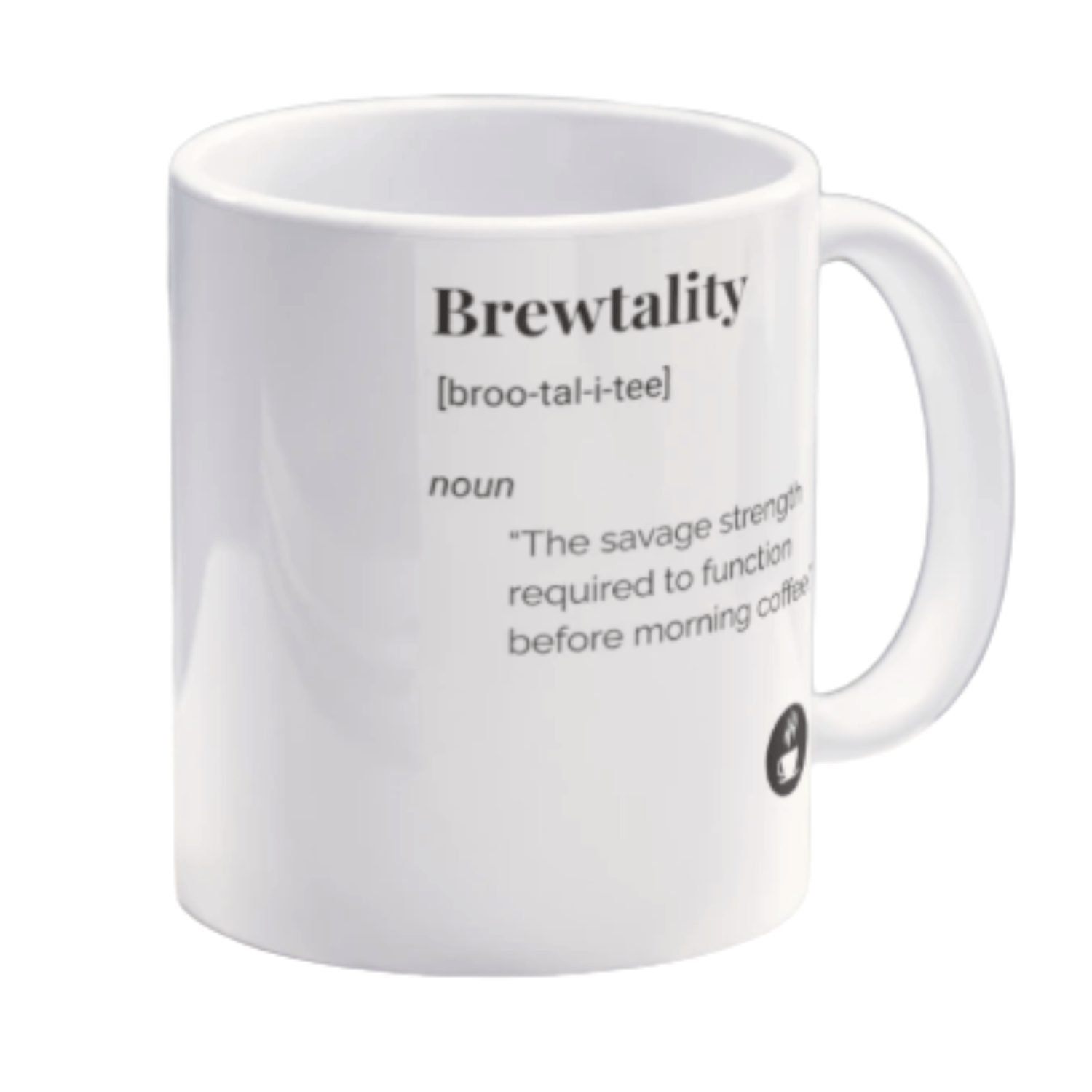
Sustainability = identity. It’s no longer just about products—it’s about who you are. Reusable mugs aren’t just cups; they’re statements.
Aesthetic = accessibility. By connecting sustainability with vibes (soft pastels, cozy neutral tones, dopamine-bright greens), eco-friendly choices became fun, not just functional.
This shift made caring for the planet less about guilt and more about joy.
From Reusable Mugs to Tote Bags — Why Eco Aesthetics Feel Good
Here’s the truth: small sustainable choices can feel magical. And for Gen Z, it’s not just because they help the planet—it’s because they’re tiny design moments that bring identity to everyday life.
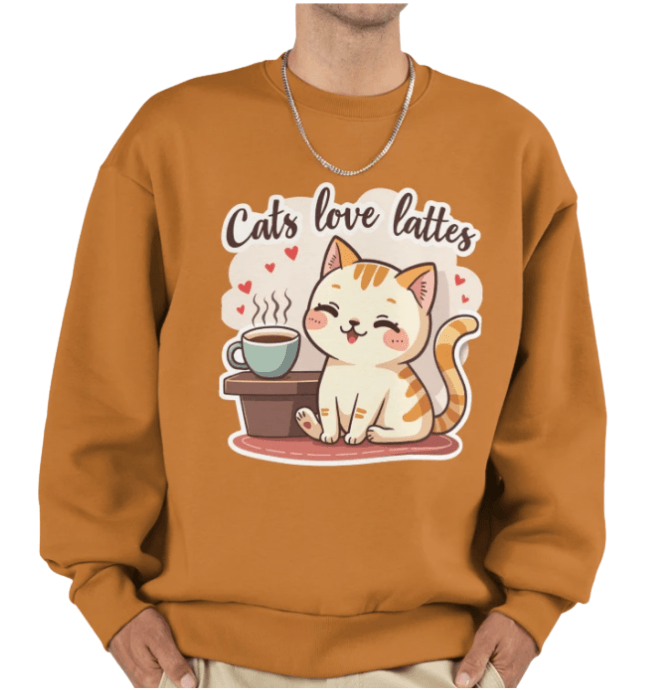
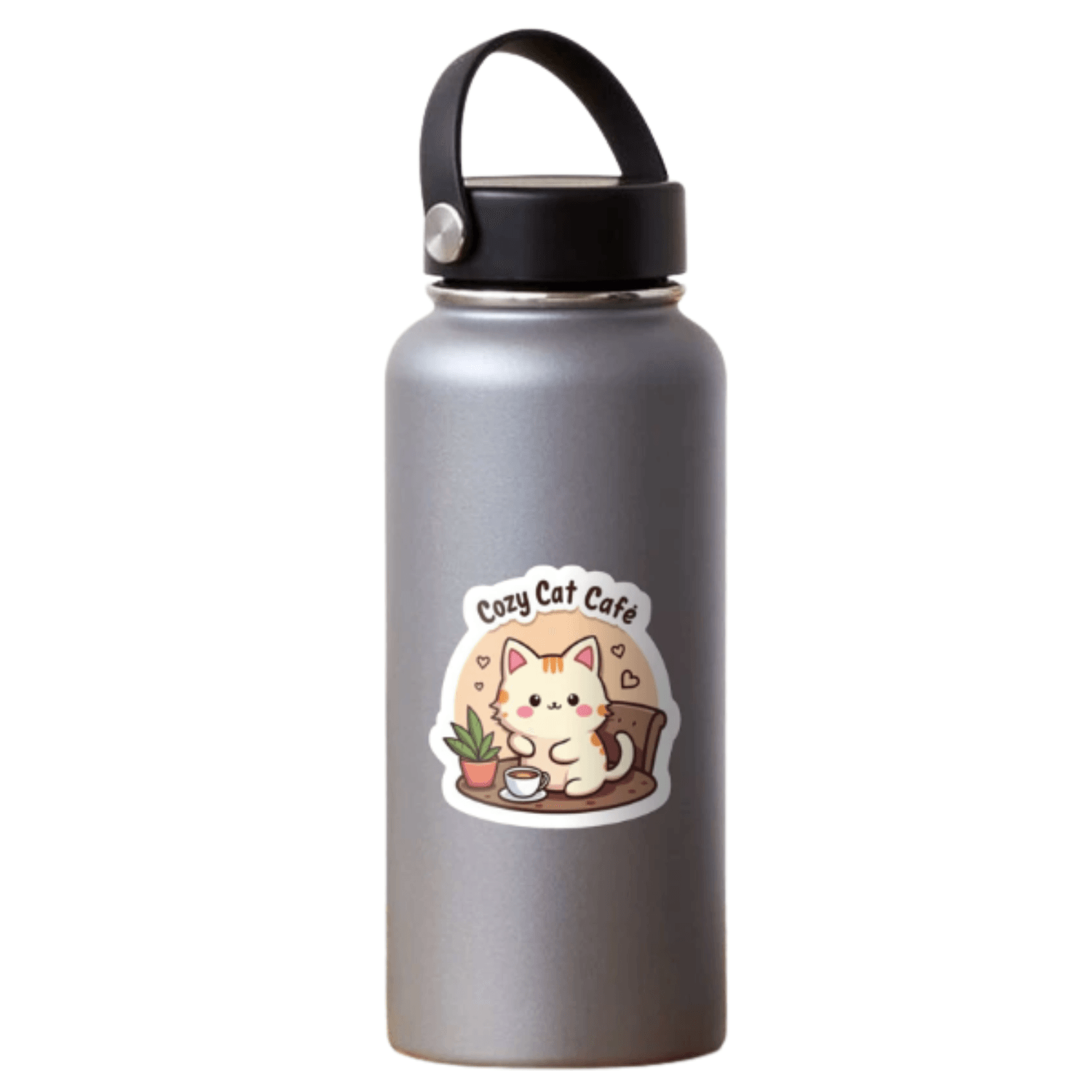
Reusable mugs → Not just coffee containers. They carry affirmations, fandom art, or pastel vibes that make study nights feel cozier.
Thrifted outfits → Affordable, unique, and story-driven. A vintage sweater becomes a conversation starter and a personal style flex.
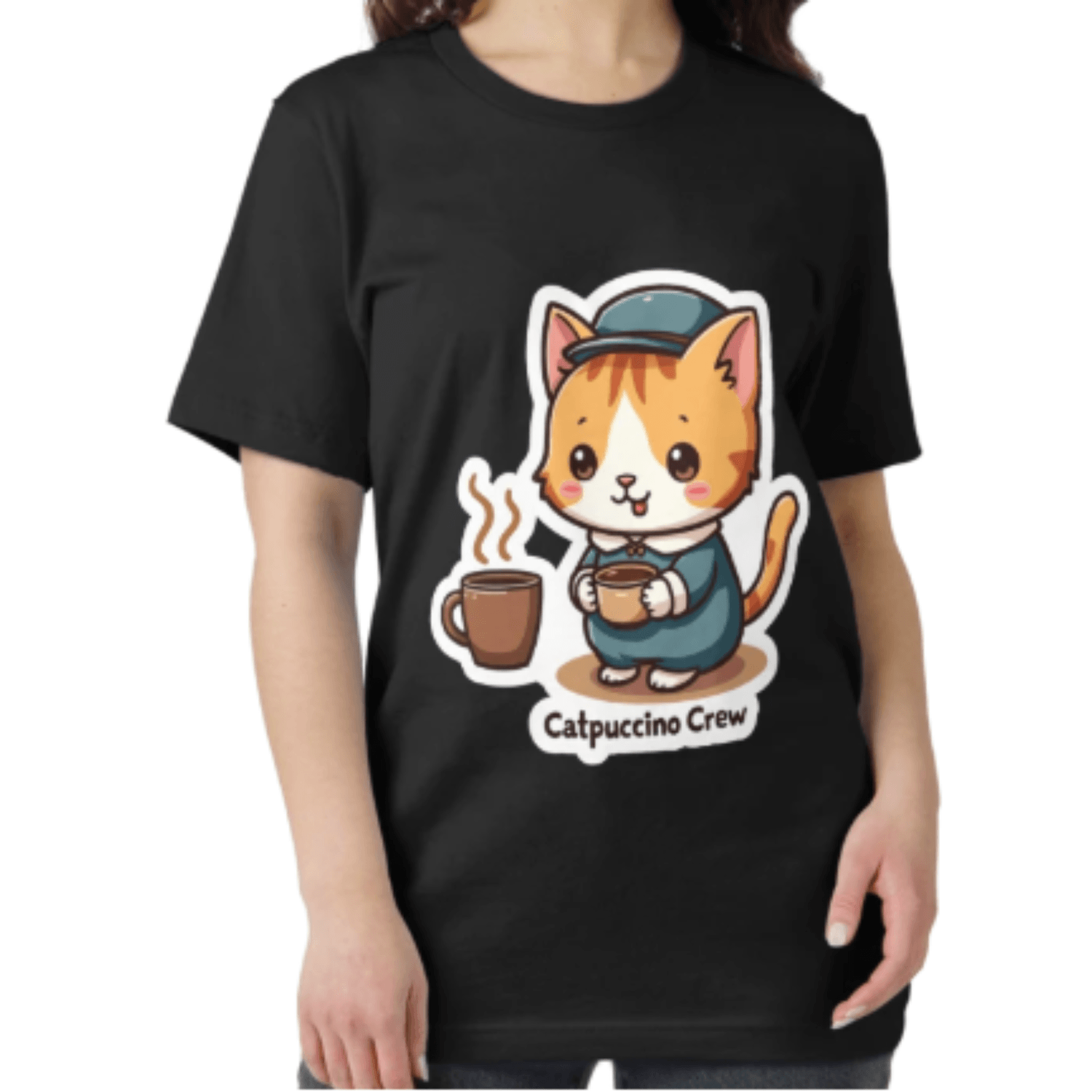
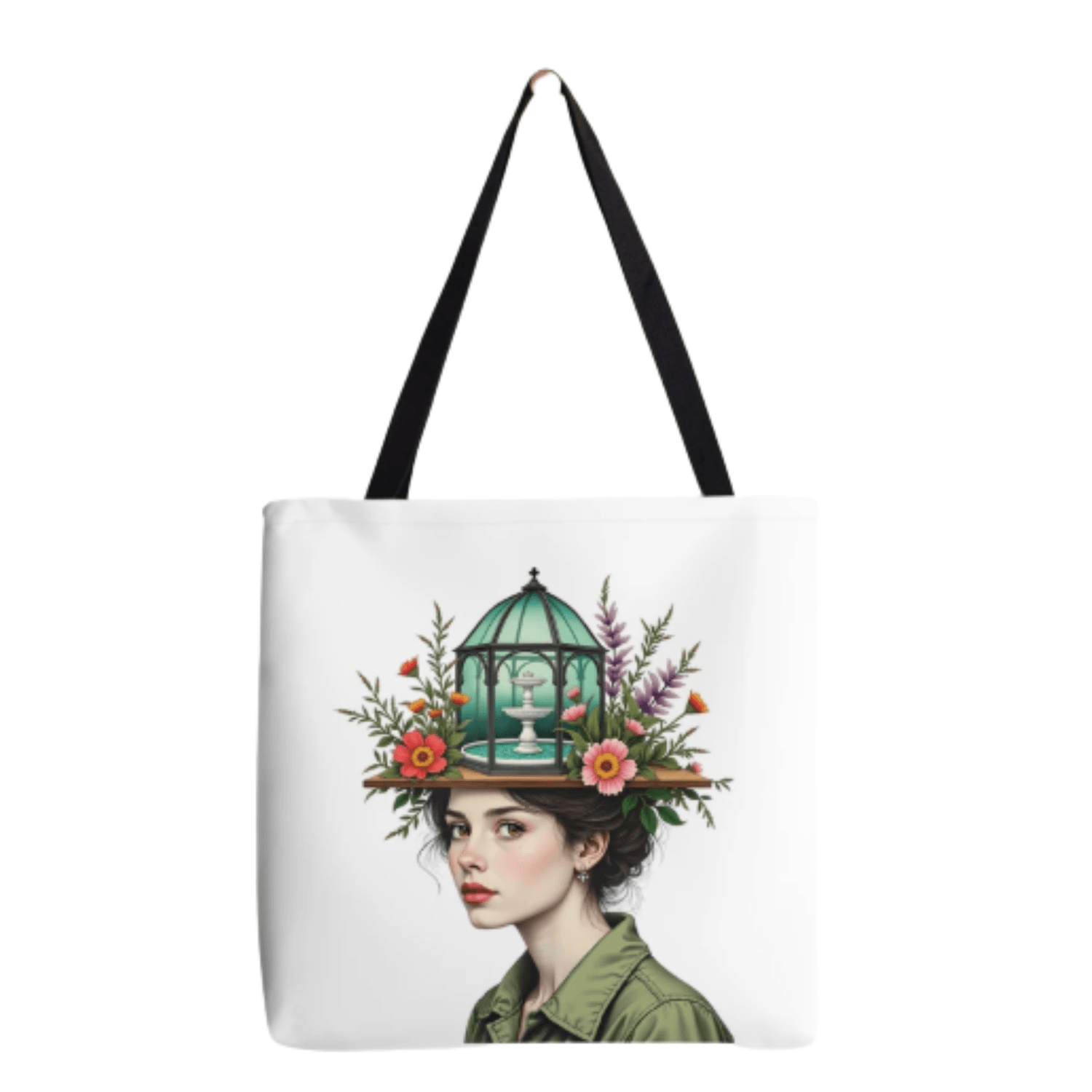
Tote bags → Function meets creativity. Stickers, pins, and patches turn them into a rolling identity board.
Plants in your dorm/workspace → The ultimate eco-aesthetic. Greenery boosts mood while reinforcing “I’m someone who cares.”
Every choice has two layers:
1. The outer look (aesthetic design, mood).
2. The inner meaning (self-expression, mental health benefits, alignment with values).
That’s why eco aesthetics stick—they feel good both outside and inside.
The Mental Health Angle — Living Aligned With Values
The truth is, sustainability isn’t only about the environment. It’s also about mental wellness.
Studies show that eco-anxiety—the stress of worrying about the planet—affects Gen Z more than any previous generation. Instead of collapsing under the weight of this fear, many young people channel it into action.
Small rituals reduce stress. Brewing tea in a reusable mug or lighting a soy candle gives a sense of grounding.
Values = stability. Aligning daily choices with bigger values (like sustainability) creates a sense of purpose, reducing anxiety and decision fatigue.
Community matters. Sharing thrift hauls, plant corners, or sustainable recipes online builds belonging. You’re not just “doing your part”—you’re part of something bigger.
The look of sustainability may be aesthetic, but the heart of it is mental health and community care.
Finding Your Why in Sustainability
Here’s where it gets personal. Why does sustainability matter to you?
It’s easy to get lost in trends—eco-friendly mugs, thrift hauls, “cottagecore” content. But what makes these actions meaningful isn’t the look. It’s the why.
For some, the “why” is:
Feeling grounded in small rituals.
Reducing eco-anxiety by taking action.
Expressing identity through unique thrift finds.
Belonging to an online community of people who care.
When you know your why, sustainability stops being a checklist and becomes a lifestyle.
You’re not just reusing a cup—you’re reminding yourself: “I care. I align. I belong.”
And that’s why sustainability has transcended function and become an aesthetic.
Sustainability as Cozy Lifestyle Choice
The beauty of this Gen Z shift is that sustainability is no longer about being perfect. It’s about being intentional.
You don’t need to go 100% zero-waste.
You don’t need to spend hundreds on eco products.
You don’t need to fit into a minimalist stereotype.
What matters is creating cozy, joyful rituals that align with your values. That’s the why. And that’s the real aesthetic of sustainability.
Something To Take With You
Sustainability became an aesthetic because Gen Z reimagined it—not as sacrifice, but as self-expression. From thrift-store finds to cozy mugs, every choice is a way of saying: “This is who I am.”
Next time you sip from your favorite mug or carry your thrifted tote, pause and ask yourself: what’s my why?
Because when sustainability is rooted in purpose, it’s not just eco-friendly. It’s identity-friendly.
Want to bring more sustainable cozy vibes into your daily rituals? Stay tuned at SamCreates, where we turn lifestyle into aesthetic self-care.
References:
American Psychological Association. Gen Z and Eco-Anxiety: Stress in America Survey. (2020)
NielsenIQ. The Rise of Sustainable Consumerism Among Gen Z. (2022)
Psychology Today. Why Rituals Improve Mental Health. (2021)
Pew Research Center. Gen Z, Identity, and Values. (2022)
Helping Busy Moms Create Peaceful Evenings and Calmer Homes
Because peaceful homes don’t happen by accident. They’re built through thoughtful structure and gentle routines.
Featured Product

The Complete Peaceful Bedtime Toolkit
Create calm, cozy evenings with your kids
DISCOUNT CODE: EARLYBIRD20
(First 50 Buyers Only)
Copyright Notice
© 2025 SamCreates. All Rights Reserved.
Created with systeme.io