We’re in the middle of a little glow-up. Some links may not be available just yet, but we’re working behind the scenes to bring everything to life. Thank you for being here while we build something beautiful for you.


The Little Things That Make You Feel Seen: Why Identity-First Design Works
When Design Speaks to You
There’s something magical about walking into a store, scrolling through a feed, or opening a gift and thinking: “Wait… this was made for me.”
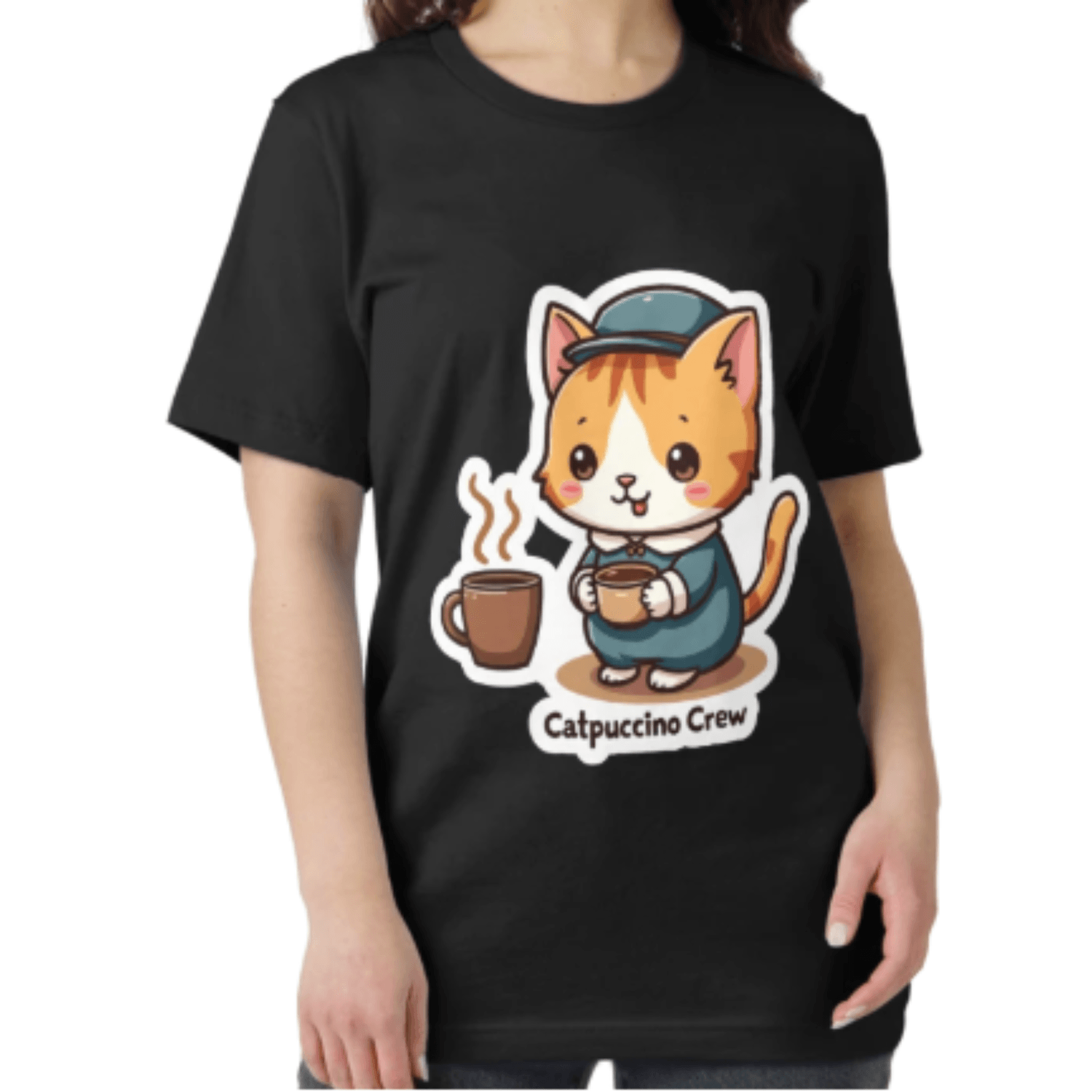
For Gen Z, design isn’t just about function. It’s about representation, identity, and belonging. From aesthetic planners that match your vibe to mugs with inside jokes only your fandom gets, it’s the little design details that make you feel truly seen.
At SamCreates, we believe design is more than “pretty.” It’s a language. One that tells Gen Z: “You belong. Your identity matters. And here’s a piece of the world that reflects who you are.”
Why Identity-First Design Matters
Problem
Mass culture often leaves Gen Z feeling overlooked. Fast fashion, cookie-cutter apps, and one-size-fits-all products erase individuality.
Agitate
When everything looks the same, it’s easy to feel like you don’t matter. Like you’re just another scroll in the feed.
Solve
Identity-first design flips the script. It says: “We see you. We get you. And we’re building something with your vibe in mind.”
Definition
Identity-first design = creating experiences, products, and spaces that prioritize self-expression, culture, and belonging over generic appeal.
This is why Gen Z gravitates toward niche aesthetics, fandom merch, cozy affirmations, and even custom digital downloads.
The Psychology of Feeling Seen
Why do these “little things” matter so much? The science of identity gives us answers:
1. Self-Expression = Emotional Safety
Research shows people feel calmer and more authentic when surrounded by items that reflect their identity. Even a sticker on your laptop can serve as an anchor of belonging.
2. Micro-Cues Signal Recognition
A design that matches your vibe — whether it’s pastel colors, K-pop references, or cozy affirmations — tells your brain: “You exist. You matter.”
3. Belonging Reduces Anxiety
Social psychologists highlight that feeling seen lowers stress. When identity is reflected in your environment, you’re less likely to feel isolated.
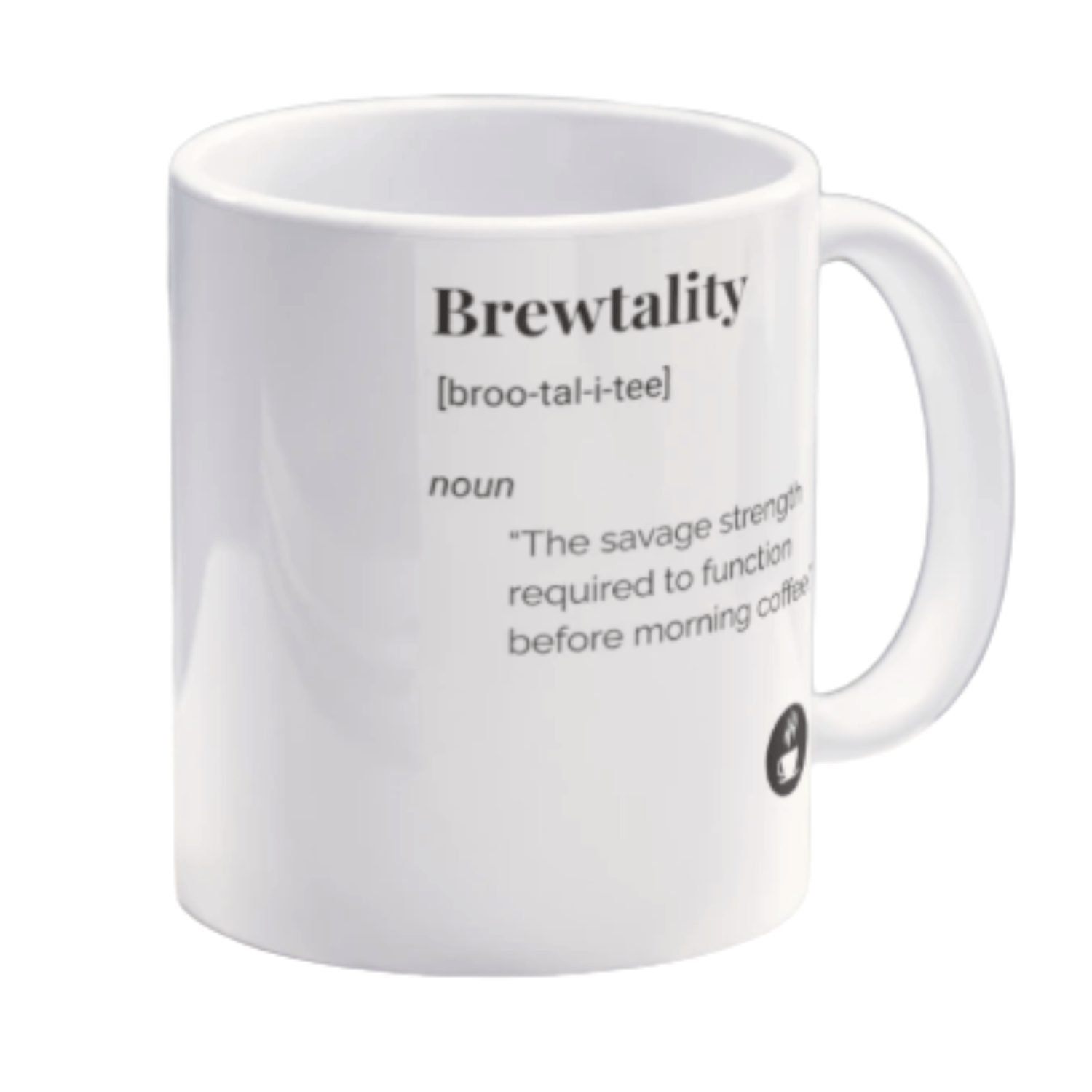
Example: That one mug with your favorite lyric? It’s not just decoration. It’s proof that someone out there gets your world.
The Gen Z Aesthetic Shift
Gen Z isn’t buying into the “mass market” dream. They’re curating lives around aesthetics that feel authentic.
1. Aesthetics as Identity
Cottagecore = calm, nature, simplicity.
Dark Academia = intelligence, mystery, romance.
K-Pop Merch = fandom pride, global belonging.
Cozy Minimalism = warmth without clutter.
These aren’t just styles. They’re visual identities Gen Z uses to say: “This is who I am.”
2. Digital Influence
Platforms like TikTok, Pinterest, and Instagram aren’t just inspiration boards. They’re identity maps. The aesthetics you save, the posts you share — they’re design choices that express who you are becoming.
3. The Emotional Pull
When a design mirrors your aesthetic, it’s not about the product. It’s about the story: “This belongs in my world because it reflects me.”
Everyday Examples of Identity-First Design
Let’s break it down into the everyday “little things” that mean everything:
Affirmation Cards → Words designed for Gen Z (not generic, but relatable, aesthetic, and vibe-checked).
Mugs with Inside Jokes → Humor + identity in your morning ritual.
Digital Wallpapers → Phone lock screens that reflect your mood, fandom, or aesthetic.
Color Choices → Pastels for calm, bold hues for dopamine.
Typography → Minimalist fonts vs. handwritten styles signal different vibes instantly.
These aren’t random details. They’re micro-signals of identity.
The Cultural Side of Being Seen
Identity-first design isn’t just personal. It’s cultural.
Fandoms: K-pop, gaming, anime. Designs that nod to these worlds create instant belonging.
Social Movements: Eco-friendly packaging, kindness-driven quotes — Gen Z notices when design reflects values.
Global Voices: Designs that celebrate diversity, language, and traditions signal inclusivity.
When a design says “this was made for us”, it’s not just selling something. It’s creating culture.
Why Gen Z Rejects “Generic”
The opposite of identity-first design is… generic.
Generic is:
Stock images that don’t reflect real communities.
Bland, “for everyone” products.
Copy-paste aesthetics that feel soulless.
Gen Z can spot it instantly.
What they crave instead:
Niche designs that align with micro-communities.
Quirky details that make them smile.
Customizable elements that let them own the design.
This isn’t about perfection. It’s about authenticity.
How Tiny Identity Cues Shape Your Day
Picture this:
You grab your planner. On the cover is a design that feels so you. Suddenly, journaling doesn’t feel like a chore — it feels like self-care.
You log into your laptop. The wallpaper matches your cozy aesthetic. Your mood lifts instantly.
You drink from a fandom mug during class. A classmate recognizes it, and you bond over a shared interest.
These micro-cues turn ordinary moments into identity-affirming rituals.
How to Start Adding Identity-First Design to Your Life
If you want to feel more seen in your daily routines, start small:
1. Curate Your Spaces
→ Add one or two items that reflect your aesthetic (mug, poster, phone wallpaper).
2. Digital Identity Matters Too
→ Customize lock screens, playlists, or Zoom backgrounds.
3. Ritualize It
→ Pair identity-driven items with rituals (affirmation cards + coffee ritual).
4. Celebrate Your Micro-Communities
→ Don’t hide your fandoms, humor, or quirks. They’re your identity anchors.
5. Choose Meaning Over Mass
→ Pick designs that resonate emotionally, not just visually.
The Big Picture: Design as Belonging
Identity-first design isn’t about consumption. It’s about connection. When the little things reflect your personality, you feel grounded, validated, and less alone.
For Gen Z, this isn’t optional self-care. It’s survival. It’s the difference between living in a world that ignores your uniqueness vs. living in one that celebrates it.
And the truth? Sometimes all it takes is a mug, a wallpaper, or a note card that feels like you.
Parting Thoughts
The little things aren’t little. They’re the daily whispers of “you matter.”
So whether it’s your cozy desk setup, your fandom sticker collection, or your pastel planner, lean into the designs that make you feel seen. Because they’re not just objects — they’re affirmations of your identity.
Want to surround yourself with more identity-affirming vibes? [Download free printable affirmations →]
References:
American Psychological Association – The Role of Identity in Mental Health
Journal of Consumer Psychology – The Emotional Impact of Personalized Design
TikTok Trends Report – Gen Z and the Aesthetic Economy
Stanford Social Innovation Review – Design for Belonging

Helping Busy Moms Create Peaceful Evenings and Calmer Homes
Because peaceful homes don’t happen by accident. They’re built through thoughtful structure and gentle routines.
Featured Product
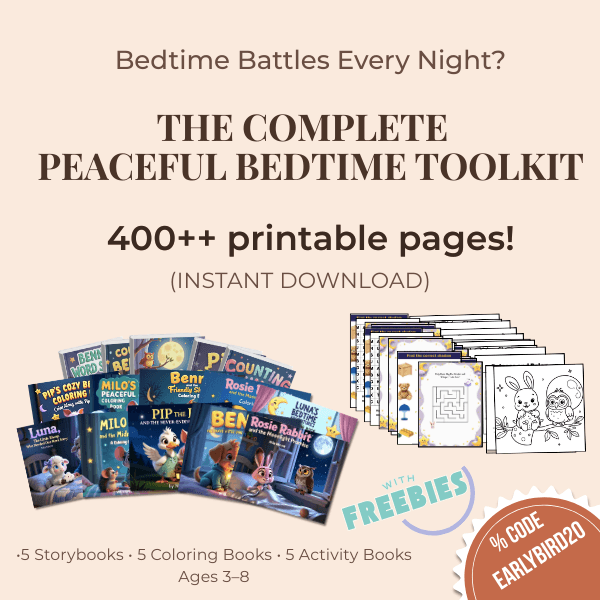
The Complete Peaceful Bedtime Toolkit
Create calm, cozy evenings with your kids
DISCOUNT CODE: EARLYBIRD20
(First 50 Buyers Only)
Copyright Notice
© 2025 SamCreates. All Rights Reserved.
Created with systeme.io