We’re in the middle of a little glow-up. Some links may not be available just yet, but we’re working behind the scenes to bring everything to life. Thank you for being here while we build something beautiful for you.



Why Being a Fan Is Self-Care: The Psychology of Fandom Joy
More Than “Just a Fan”
If you’ve ever screamed at a concert, stayed up late for a comeback, or decorated your desk with merch, you know fandom life is more than a hobby. For Gen Z, being a fan — whether of a boy group like AHOF (All-Time Hall of Famer), an online game, or a TikTok creator — is self-care.
Why? Because fandom joy is about more than streaming songs or collecting photocards. It’s about belonging, identity, and mental health. And the science proves it: the things that make your heart race as a fan are the same things that reduce stress, fight loneliness, and spark everyday joy.
At SamCreates, we believe fandom is cozy self-care. Here’s why.
The Psychology of Fandom Joy
Psychologists call it “parasocial connection” — the feeling of knowing and being known by a celebrity, group, or fictional world. But to Gen Z fans, it’s not one-sided at all.
Fandom joy works because:
Shared Passion = Community. Being FOHA (AHOF’s fandom) means instantly bonding with people across the globe.
Emotional Regulation. Listening to AHOF after a tough day isn’t just music. It’s mood therapy.
Identity Expression. Decorating your wall with posters, adding fandom stickers to your laptop — these micro-actions say, “This is me.”
Studies show fans of music, games, and TV report higher well-being when they engage with their fandom. It’s the little spark that makes tough days lighter.
K-Pop Case Study: FOHA and the Joy of Belonging
Take AHOF as an example. Their fandom, FOHA, doesn’t just stream music. They:
Host global streaming parties.
Create fan art, memes, and TikToks.
Share comfort posts when members open up about struggles.
For FOHA, being a fan isn’t a hobby — it’s a lifestyle.
And when you log onto a Discord or TikTok live and see “FOHA forever” comments, you feel it: that rush of knowing “I’m not alone. I’m part of something bigger.”
For Gen Z, who often reports feeling isolated, that’s not trivial. It’s life-giving.
Gaming Fandoms: The Cozy Parallel
It’s not just music. Gaming fandoms work the same way.
Think about late-night raid squads, or Whiteout Survival (WOS) alliances where teammates send each other encouragement. Gaming fandoms give Gen Z:
Shared Challenges. Winning together creates trust.
Cozy Rituals. Logging in daily = comfort in routine.
Creative Worlds. Gamers personalize avatars, builds, and stories — identity-first design at play.
And just like K-pop, gaming fandoms make fans feel seen. You’re not just another player; you’re part of the culture.
The Mental Health Benefits of Fandom
Here’s where fandom joy becomes self-care:
1. Stress Relief
Singing along to AHOF, binge-watching comeback stages, or grinding through quests = emotional release.
2. Routine Stability
Weekly streams, daily game logins, or seasonal comebacks give Gen Z anchors in unpredictable times.
3. Dopamine Boost
The excitement of a teaser drop or leveling up in a game triggers the brain’s reward system.
4. Connection
In fandom, you’re never “too much.” You’re celebrated.
Fun fact: A study in the Journal of Social and Personal Relationships found that fandom communities increase resilience against anxiety and depression.
Why Gen Z Needs Fandom More Than Ever
Gen Z faces constant pressure:
Academic stress.
Job insecurity.
Social media comparison.
Fandoms counteract this by:
Providing safe spaces to vent and laugh.
Giving Gen Z language to express themselves.
Offering escape that doesn’t feel empty.
For FOHA, supporting AHOF isn’t a distraction. It’s a lifeline.
The Cozy Side of Fandom
Fandom isn’t all screaming and lightsticks. It’s also cozy self-care.
Examples:
Journaling with AHOF lyrics.
Decorating your dorm with gaming posters.
Making fandom-inspired recipes for movie nights.
Collecting stickers, pins, or keychains that feel like tiny hugs.
These rituals remind Gen Z: “Even in small spaces, I belong.”
When Being a Fan Gets Hard
Of course, fandom isn’t always sunshine:
Toxic fights on Twitter.
Burnout from over-streaming.
Feeling judged for being “too obsessed.”
Feeling stressed because the idol's hiatus
But here’s the balance: focusing on the joy of fandom (not the numbers, not the competition) brings fandom back to what it’s meant to be — fun, creative, and cozy.
How to Make Fandom Your Self-Care
If you want fandom joy to double as mental wellness, try these:
1. Create Fandom Rituals
Morning playlists, Friday night drama binge, or Sunday game nights.
2. Share, Don’t Compare.
Celebrate small wins (like new fan art or playlist shares).
3. Mix Cozy + Fandom
Pair your favorite K-pop album with journaling, or your gaming session with a cozy drink.
4. Find Your Niche
Big fandoms can be overwhelming. Smaller sub-communities (like FOHA groups by city) feel more personal.
5. Remember Your Why
You joined this fandom for joy. Protect that spark.
The Big Picture: Fandom = Self-Care
Being a fan isn’t about obsession. It’s about belonging, creativity, and emotional safety.
For Gen Z, fandom joy is:
The group chat that saves you from loneliness.
The AHOF lyric that feels like therapy.
The gaming guild that cheers when you log on.
And when you realize being a fan helps your mental health? That’s not “just a hobby.” That’s self-care.
Wrap-Up
Whether you’re FOHA streaming AHOF’s latest single or a gamer building your dream base, remember this: fandom joy is your cozy self-care.
So next time you fangirl/fanboy/fan-human, don’t apologize. Lean into it. Because being a fan means you’re choosing connection, creativity, and happiness.
Want to make your fandom rituals even cozier? [Grab free printable affirmations here →]
References:
Journal of Social and Personal Relationships – The Benefits of Fandom Communities
American Psychological Association – Parasocial Relationships and Emotional Well-Being
TikTok Trend Report – Fandom Culture in Gen Z
“Fans, Identity, and Belonging” – Cultural Studies Quarterly
Helping Busy Moms Create Peaceful Evenings and Calmer Homes
Because peaceful homes don’t happen by accident. They’re built through thoughtful structure and gentle routines.
Featured Product
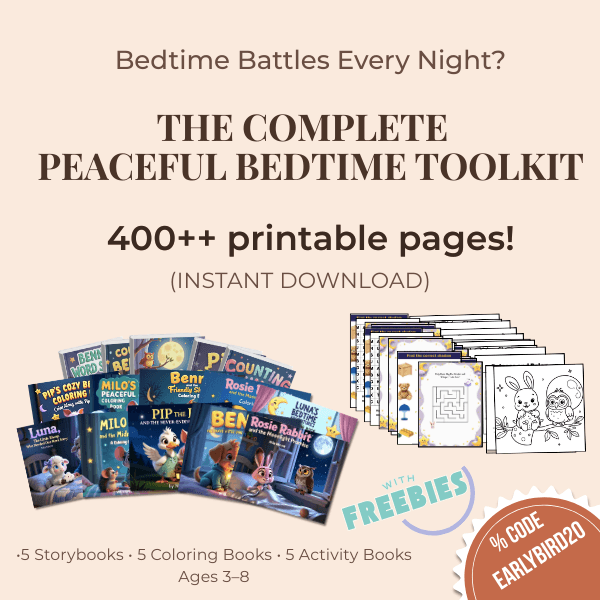
The Complete Peaceful Bedtime Toolkit
Create calm, cozy evenings with your kids
DISCOUNT CODE: EARLYBIRD20
(First 50 Buyers Only)
Copyright Notice
© 2025 SamCreates. All Rights Reserved.
Created with systeme.io